







Search Results for: Coffee Bean Labels

An influencer coffee shop was penalized for using imported coffee beans of no lawful origin, drawing attention to food compliance issues in the coffee industry.
Recently, the Market Supervision Bureau of Yuecheng District, Shaoxing City, investigated and penalized a popular coffee shop. The shop was found using imported coffee beans without Chinese labels and could not provide proof of legal origin. It was also involved in selling coffee equipment without Chinese labels. Ultimately, it was fined 25,000 yuan and the related products were confiscated. This case reveals a common compliance risk in the procurement and use of coffee beans by specialty coffee shops: whether self-roasting or external procurement, coffee bean raw materials require corresponding food business or production licenses and product qualification inspection reports. As market supervision intensifies, coffee operators urgently need to self-check risks to ensure legal and compliant operations. [more…]
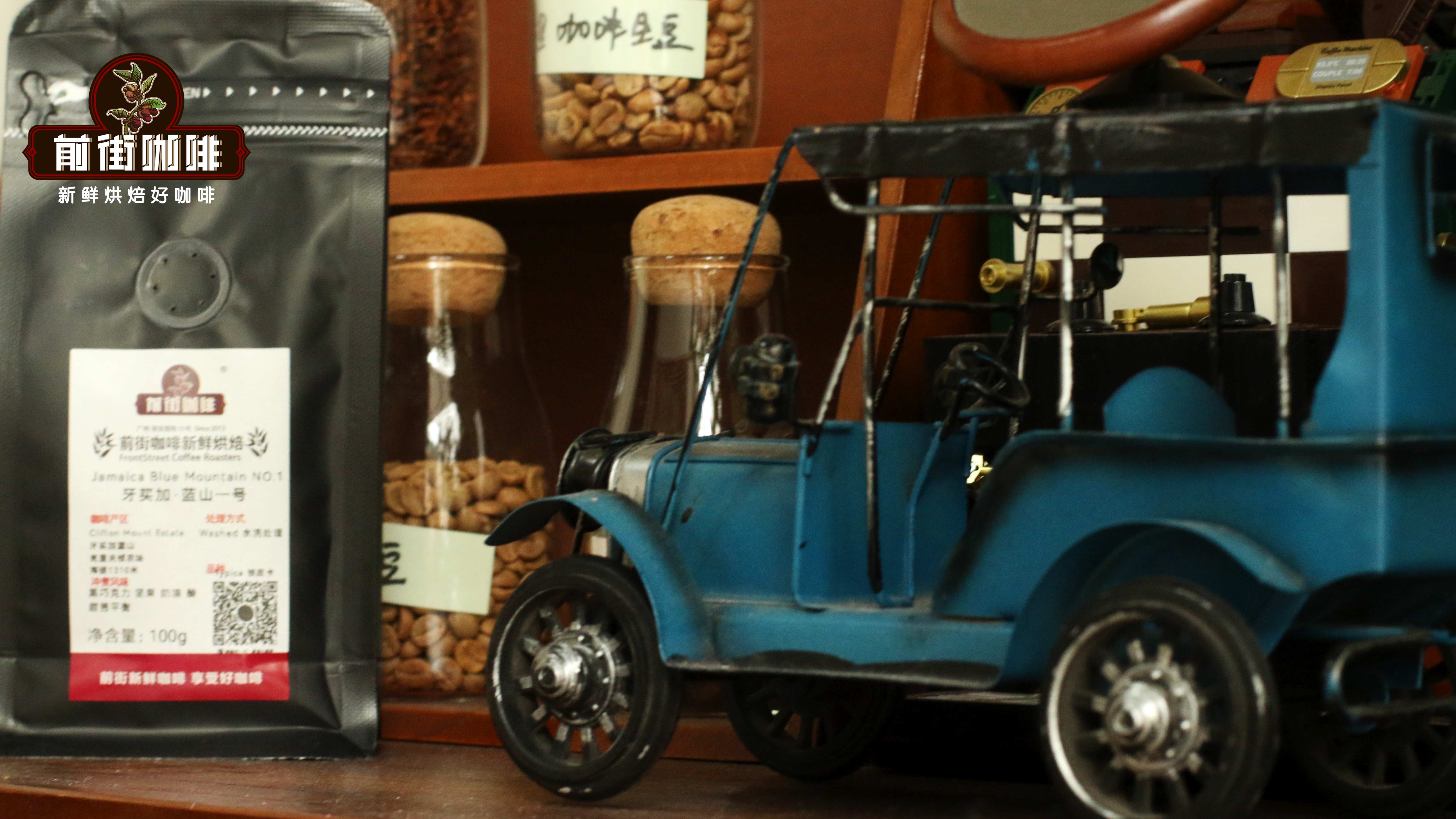
Beginner's Guide to Coffee Bean Packaging Labels: Understanding Origin, Grading, and Roast Information to Choose the Right Everyday Beans for You
Faced with the dense Chinese and English labels on coffee bean packaging, many consumers are often baffled, and in the end can only buy a bag randomly based on feeling, with results that are often less than satisfactory. This article starts from the consumer side, sets aside the professional jargon of green coffee trading and origins, and focuses directly on the key information on packaging labels, including country, region, variety, altitude, processing method, grade, roast level, and roast date. Using Front Street Coffee's Washed Yirgacheffe everyday coffee as an example, we break down the meaning of these labels item by item, and explain the three common modes of green coffee grading, as well as the importance of roast level and date for flavor and preservation. We hope this helps you, when choosing coffee, understand your own needs and the quality of the beans more clearly, and no longer buy blindly. [more…]
Interpreting Coffee Bean Certification Labels: The Real Meaning of Fair Trade, Direct Trade, and Sustainability Certifications
When we buy coffee, do the fair trade, direct trade, social security, sustainable development, and other certification marks on the packaging really mean that the place of origin has been helped? As consumers, we pay more and more attention to these labels, but our understanding of the mechanisms behind them and their actual effects is limited. This article will deeply analyze the meaning, operating methods, and limitations of various coffee certification systems, and at the same time introduce practical cases such as Front Street in promoting sustainable development in places of origin, to help you support the healthy development of the coffee industry through more rational consumer behavior. [more…]
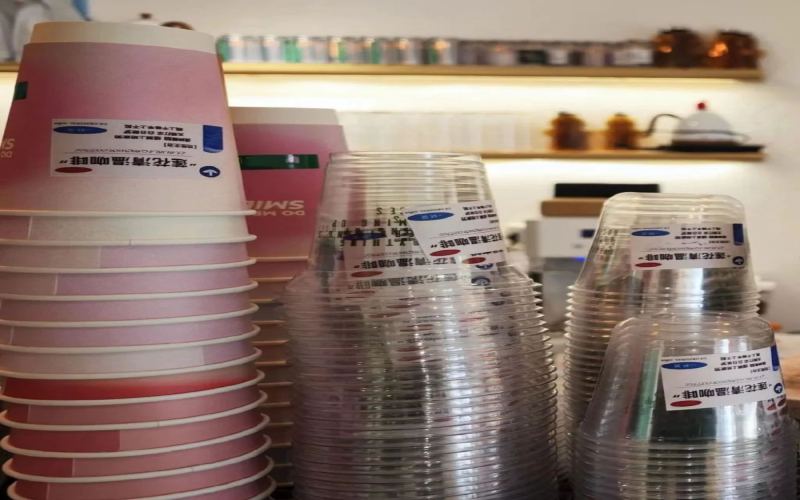
Coffee shop investigated for piggybacking on Lianhua Qingwen hype, Qingpu Market Supervision Bureau files case over unfair competition practices
Recently, a coffee shop in Qingpu District, Shanghai, was investigated by market regulators for attaching "Lianhua Qingwen Coffee" labels to its drink cups. The shop began selling such labeled drinks on December 19, 2022, and authorities seized 290 labeled paper and plastic cups on site, along with 1,058 unused labels. The shop claimed that customers suggested it "play on the meme" for marketing, but enforcement officials pointed out that this kind of behavior could easily lead consumers to mistakenly believe the product had a specific connection with Lianhua Qingwen, and it was suspected of unfair competition. It is worth noting that coffee itself may have a certain auxiliary effect on relieving cold symptoms, but it is by no means a substitute for medication. Front Street Coffee reminds all enthusiasts to view coffee's effects rationally and not to blindly follow trends. [more…]

Are plant-based milks really healthier? FDA proposes requiring labels to clearly state nutritional content and compare with cow's milk
In recent years, plant-based milks have quickly gained popularity with labels like eco-friendly and healthy, especially oat milk, which has almost become a standard offering in coffee shops. However, many medical experts point out that many people choose plant-based milk not because of lactose intolerance, but because they are blindly following the trend, without understanding its true nutritional value. For this reason, on February 22, the U.S. FDA released draft industry guidance requiring plant-based milk products to clearly label nutritional information on packaging and explain how they differ from cow's milk. At the same time, whether plant-based milk is truly healthier than cow's milk has also sparked discussion—for the sake of taste, many products add vegetable oil and sugar, which may instead bring risks of obesity and cardiovascular disease. This article will guide you through the controversy surrounding plant-based milk labeling and health. [more…]
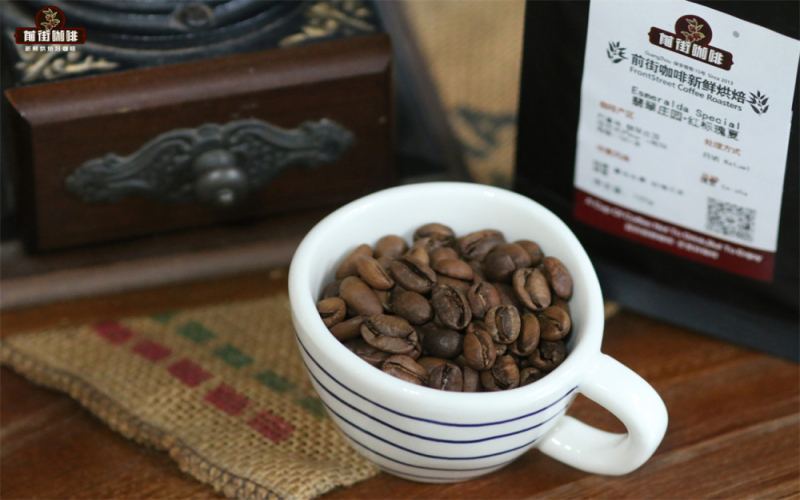
Analysis of the Grading Standards and Flavor Comparison of Panama Hacienda La Esmeralda Geisha Red, Green, and Blue Labels
Panama's Hacienda La Esmeralda Geisha coffee has been highly sought after in the specialty coffee world in recent years, but many coffee enthusiasts are confused when faced with its three grades: Red Label, Green Label, and Blue Label. What exactly do these three labels represent? What are the differences among them in altitude, plot, processing method, and flavor? This article starts with the history of Hacienda La Esmeralda and provides a detailed breakdown of the grading standards for Red Label (Esmeralda Special), Green Label (Private Collection), and Blue Label (Geisha 1500), along with their corresponding production plots and cupping performance. Combined with Front Street Coffee's brewing recommendations and flavor descriptions, it helps readers make a suitable choice based on their own needs. [more…]
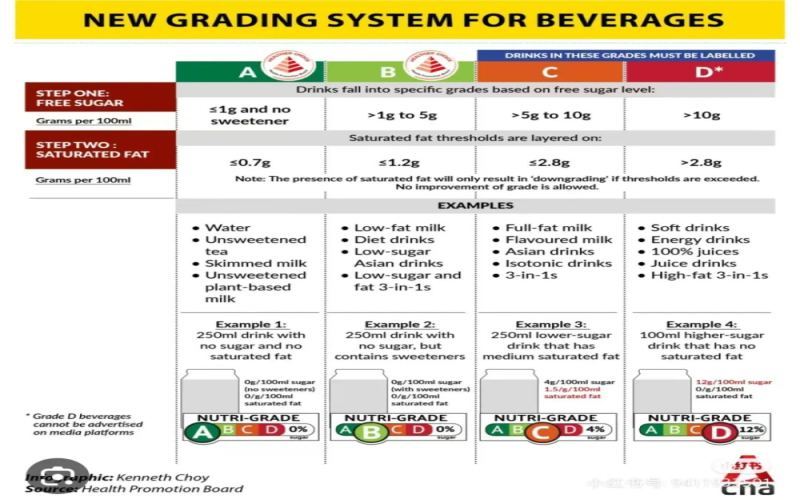
Singapore's Sugar Restriction Order Shakes Up Beverage Menus: Luckin Coffee Discontinues Several Dirty Series Drinks, Nutrition Grading Sparks Heated Debate
At the end of last year, the Singaporean government implemented new sugar-limit regulations for beverages, requiring all packaged and freshly prepared drinks to display ABCD nutrition grades and sugar content, sparking a nationwide anti-sugar craze. Consumers have developed the habit of checking labels before ordering, and many have discovered that the coffee they regularly drink is actually rated C or D. Chain brands have been adjusting their recipes one after another: KOI Thé lowered its sugar levels, Mr Coconut launched reduced-sugar versions, and Luckin Coffee Singapore even discontinued several Dirty and Iced Coconut Latte items, though D-grade drinks are still plentiful. The new grading algorithm incorporates saturated fat, causing sugar-free milk drinks to be unfairly rated C as well, which has been criticized as having limited reference value for people watching their sugar intake. Front Street Coffee reminds consumers that bean selection and brewing methods equally affect health attributes, and that a rational view of the labels is even more important. [more…]
A Guide to Panama's Hacienda La Esmeralda Geisha Grades: A Full Breakdown of Blue, Green, and Red Labels and Plot Differences
Hacienda La Esmeralda in Panama is the starting point of Geisha coffee's journey to the world, and the most representative brand in the Geisha flavor experience. Faced with the Blue Label, Green Label, Red Label, and auction lots, many coffee lovers inevitably get confused: what exactly do these labels represent? And how do they relate to the different farms and plots within the estate? Front Street Coffee will guide you through the estate's farm distribution, plot divisions, and the evolution of its grading system, clarifying the differences between the Blue Label, Green Label, Red Label, and auction lots, and helping you make clearer judgments when purchasing Geisha. [more…]
A Detailed Guide to Geisha Coffee Bean Varieties: Differences Between Panama Hacienda La Esmeralda's Red, Green, and Blue Labels and a Pour-Over Guide
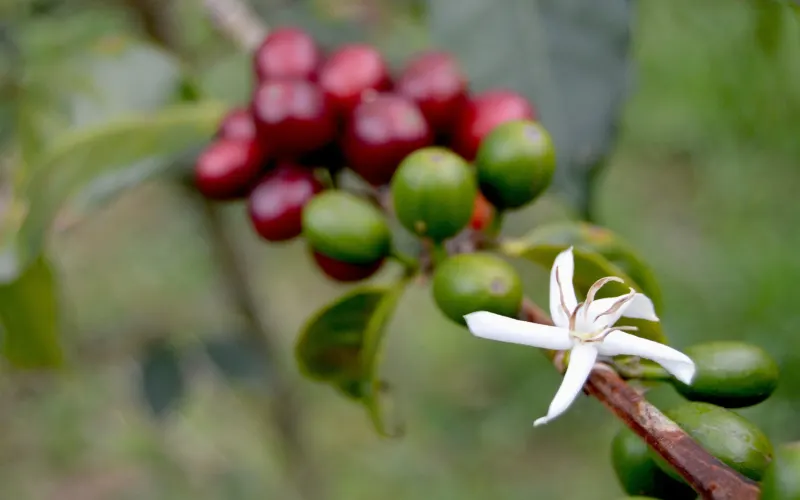
Geisha is one of the most prestigious varieties in the specialty coffee world, conquering coffee lovers globally with its unique orange-blossom and honeyed notes. This variety was first discovered in the wild forests of Ethiopia, then made its way to Central and South America, until it was unearthed in 2003 by Hacienda La Esmeralda in Panama, ushering in the Geisha era. Hacienda La Esmeralda divides Geisha into multiple brands such as Red Label, Green Label, and Blue Label based on altitude and quality, each representing different grades and flavor profiles. In this article, Front Street Coffee will systematically sort out the variety's origins, growing characteristics, and the background of the Best of Panama competition, and provide a detailed comparison of the differences among Hacienda La Esmeralda's various label grades of Geisha. Finally, we include the pour-over parameters and step-by-step instructions for the Red Label Natural Geisha, helping coffee lovers gain a comprehensive understanding of this precious bean variety. [more…]
A Detailed Guide to Coffee Growing Altitudes and Green Bean Grading in Panama: Flavor Comparison of Hacienda La Esmeralda Geisha Red, Green, and Blue Labels
Panama, as an important origin of specialty coffee, is world-famous for the unique flavors of washed coffee produced in its western high-altitude regions. This article will guide you through the distribution characteristics of Panama's main coffee-producing regions and the impact of altitude on coffee quality. It will also provide an in-depth analysis of the red, green, and blue label grading system of Hacienda La Esmeralda Geisha coffee, with a focus on the origin information, processing methods, and classic flavor profile of Green Label Geisha, along with the detailed parameters of the Green Label Geisha recommended by Front Street Coffee. [more…]
What Do the Coffee Bean Grade Labels G1 and G2 Actually Mean? Understanding the Grading Systems of Different Countries at a Glance
When selecting coffee beans, letter markings like AA and G1 often appear on packaging, and they actually represent the green bean grading systems of different origins. In this article, Front Street will guide you through Ethiopia's G1 to G5 grades, which are classified by the proportion of defective beans, as well as the nine-level classification method that combines physical characteristics and cupping scores after the establishment of the ECX. In addition, we will introduce Kenya's eight grades, including AA, AB, and PB, which are distinguished by bean size, and briefly mention the grading criteria of Colombia, Jamaica, Brazil, and other countries, to help you better understand the meaning behind these markings when buying beans. [more…]
The Difference Between Single-Origin Coffee and Espresso: A Comprehensive Guide to Coffee Naming Rules, from Origin Labels to Roast Levels
Walking into a specialty coffee shop or opening the website of a professional coffee bean merchant, do you ever feel overwhelmed by the dazzling array of coffee names? Why are coffee bean names so long? How exactly do you tell the difference between single-origin, dark roast, and espresso? What information is actually hidden behind these complex names? This article will walk you through the key elements of coffee bean naming one by one, including origin labeling, roast level, grading systems, and small-lot estate farms. From the solo performance of single-origin coffee to the concerto of coffee blends, from Northern Italian light roast to French dark roast, and on to grading codes like SHB and AA+, you'll never be confused again the next time you shop for coffee—you'll easily read the ID card of every bag of coffee beans. [more…]
What are the differences between Gesha Village Gold Label and Panama Emerald Red Label? A clear explanation from variety and origin to flavor
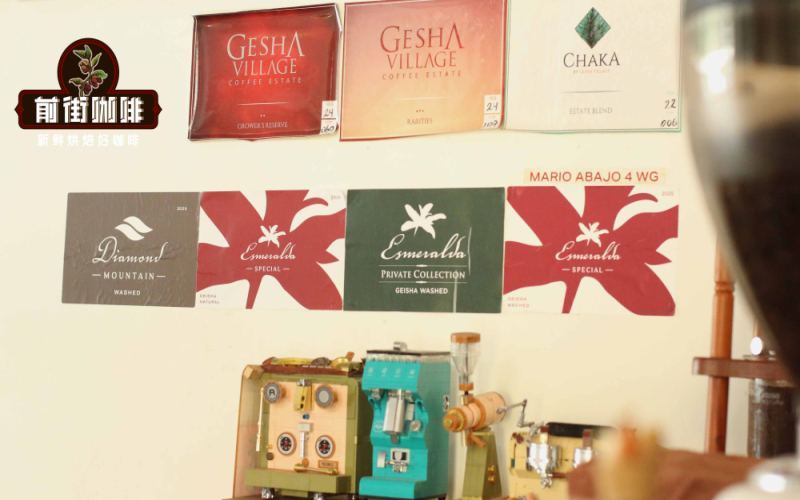
Geisha enthusiasts often see two "labels" on Front Street Coffee's blackboard: Hacienda La Esmeralda Red Label and Gesha Village Gold Label. The former is 75 yuan per cup as pour-over, the latter 60 yuan per cup. Both represent the top-tier Geisha of their respective estates, yet few people examine closely the differences in naming logic, variety origin, terroir, and cup profile. Starting from the two beans currently sold at Front Street Coffee, this article sorts out the origins of the Chinese-context names "Red Label" and "Gold Label," traces the varietal relationship between Panama Geisha and Gesha Village's "Geisha 1931," compares the terroir conditions of Hacienda La Esmeralda's Boquete region and Gesha Village's Bench Maji region, and through actual brewing comparisons, presents the specific dry aroma and flavor performance of these two top-tier Geishas. [more…]
Tracing the Origin of Geisha Coffee Beans: Panama Emerald Estate Geisha Flavor and Interpretation of the Red, Green, and Blue Labels
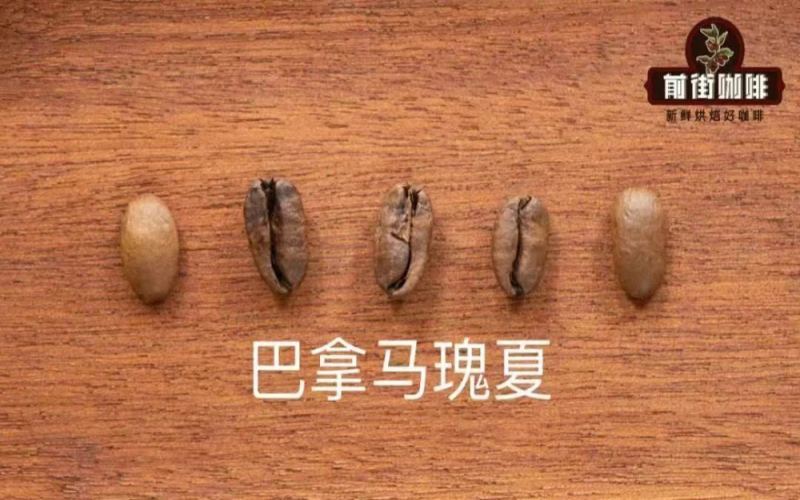
Gesha coffee is hailed as the king of coffee, and the Geisha produced by Panama's Hacienda La Esmeralda is the benchmark among them. But do you know where the name Gesha comes from? And what are the differences between Red Label, Green Label, and Blue Label? From the perspective of Front Street Coffee, this article systematically sorts out the origin, growing conditions, and flavor performance of Panama Hacienda La Esmeralda Gesha, and analyzes one by one the characteristics and brewing suggestions of the Red Label auction lots, the Green Label private collection, and the original Blue Label lots. It will also briefly introduce the performance of Gesha from Colombia, Costa Rica, and other places, helping you understand this legendary coffee bean more comprehensively. [more…]
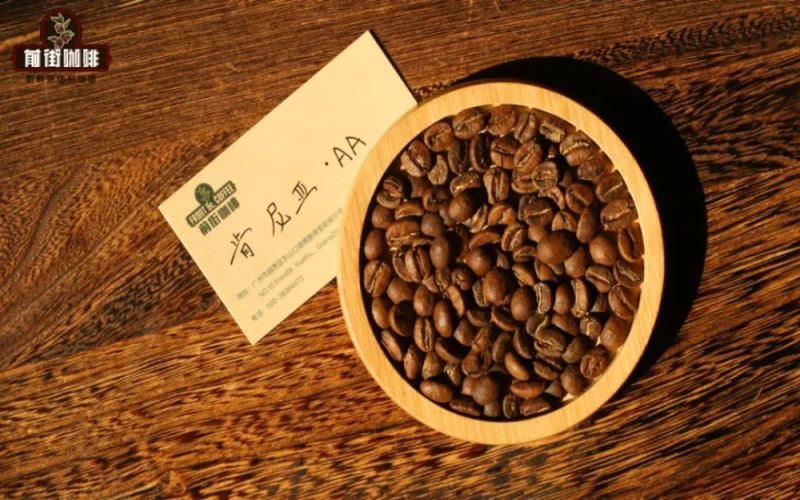
Basis and Characteristics of AA and AAA Coffee Bean Grading: A Full Analysis of Grading Standards in Kenya and Other Origins
When selecting coffee beans, have you ever noticed the AA or AAA labels that often follow the bean names? What exactly do these letters mean, and by what standards are they determined? This article will systematically sort out the coffee bean grading system, from bean size and defect rate to secondary rating labels, guiding you through the specific rules behind suffixes such as AA, AAA, TOP, and Plus. At the same time, the article will also cover the grading characteristics of major producing regions such as Kenya, and retain relevant recommendations from the Front Street brand, helping you make clearer judgments when choosing beans in your daily life. [more…]

Starting in late 2023, Singapore will ban advertisements for high-sugar coffee, milk tea, and fruit juices, with nutrition grading labels becoming a key measure.
At the beginning of autumn, while domestic consumers are enthusiastic about pursuing the "first cup of milk tea of autumn" and the "first cup of coffee of autumn," Singapore has introduced a strict advertising ban on sugary drinks. Singapore's Minister for Health, Ong Ye Kung, announced at an event on August 11 that, in order to curb the high incidence of diabetes, starting from the end of 2023, drinks with relatively high sugar and trans fat content will be completely prohibited from advertising. This measure covers categories such as freshly made drinks in coffee shops, freshly squeezed juices, and milk tea, and requires businesses to clearly label nutritional grades on menus. Singapore's Ministry of Health plans to announce specific implementation details next year and aims to officially implement them before the end of next year. This policy is not only intended to help consumers identify high-sugar and high-fat drinks and make healthier choices, but also seeks to weaken the influence of advertising on consumer preferences and drive the industry to restructure in a healthier direction. [more…]
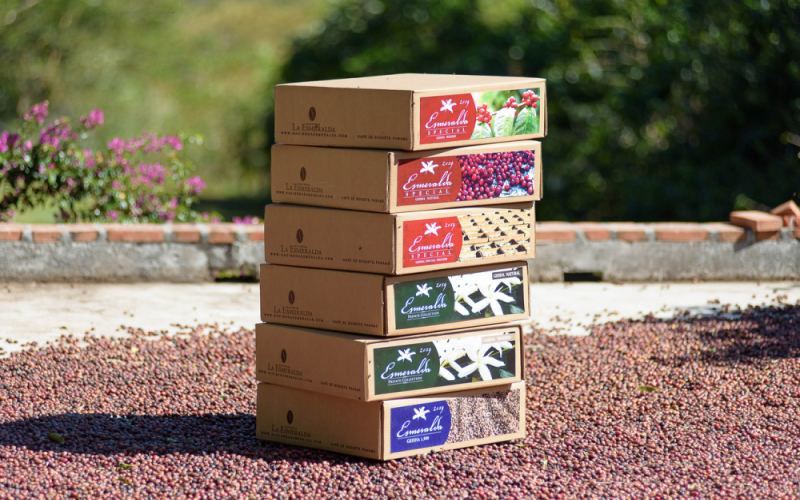
A Detailed Explanation of the Differences Between Panama Hacienda La Esmeralda Geisha Red Label and Blue Label: A Comprehensive Interpretation of the Grading System and Flavor Characteristics
Panama's Hacienda La Esmeralda Geisha coffee beans are famously renowned in the specialty coffee world, yet many coffee enthusiasts remain confused about the grade labels—Red Label, Blue Label, Green Label, and Auction Lot. How exactly does the Peterson family define these different labels? What quality standards and growing conditions does each represent? This article, from Front Street Coffee's perspective, systematically sorts out the grading logic of Hacienda La Esmeralda Geisha, explaining in detail the specific differences between Red Label and Blue Label in terms of altitude requirements, cupping scores, processing methods, and traceability information. It also includes Front Street Coffee's recommended pour-over parameters and brewing steps for Red Label, helping you truly understand the value of this top-tier Geisha. [more…]
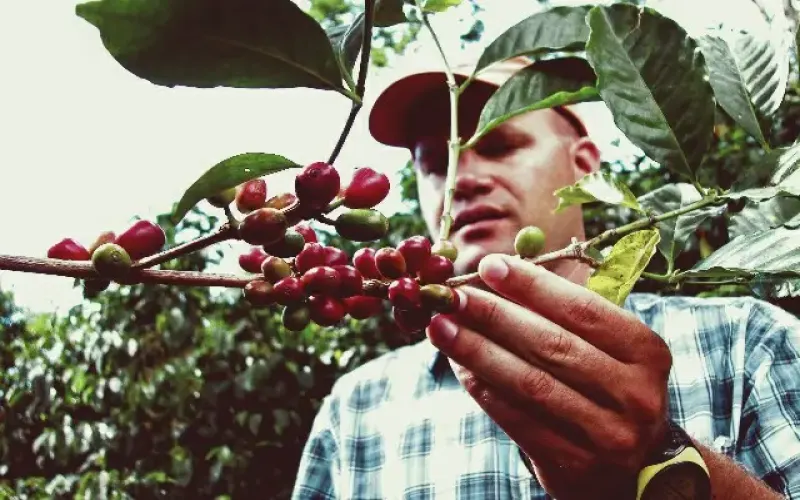
A Complete Guide to Geisha Coffee Grading: What Do Gold, Red, Green, and Blue Labels Mean in Terms of Quality Tiers?
Geisha coffee has been steadily rising in popularity in recent years, but faced with numerous grading labels such as auction, Gold Label, Red Label, Green Label, and Blue Label, many enthusiasts often feel confused. From the perspective of Front Street Coffee, this article systematically sorts out the origin and spread of the Geisha variety, using two major producing origins—the Gesha Village Coffee Estate in Ethiopia and Hacienda La Esmeralda in Panama—as clues to interpret one by one the classification standards, production proportions, flavor characteristics, and representative products of each grade of Geisha. At the same time, it includes the brewing parameters and flavor descriptions of two Red Label Geisha coffees from Front Street stores, helping readers make clearer judgments when purchasing and brewing. [more…]
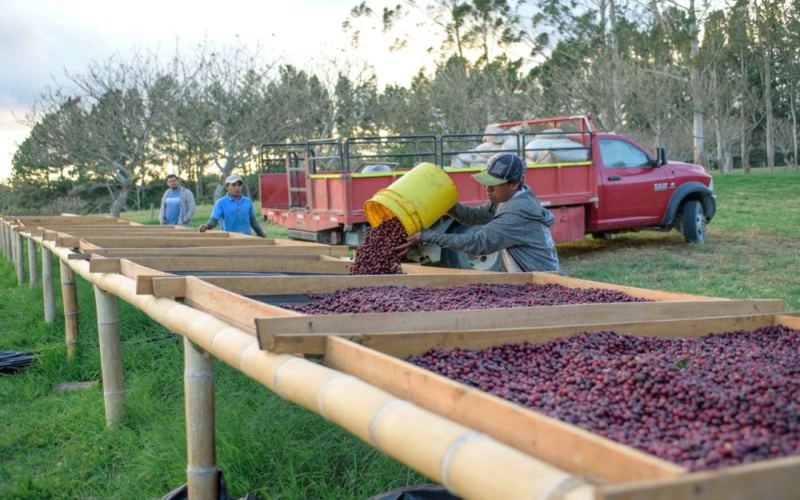
A Detailed Guide to Pour-Over Parameters for Panama Geisha: Flavor Exploration from Hacienda La Esmeralda's Red and Green Labels to Entry-Level Geisha
The reason Geisha has taken the world by storm owes much to the discovery and promotion by Panama's Hacienda La Esmeralda. After winning the BOP in 2004, the name Geisha spread across the globe, and its cup—with its rich floral aromas, citrus-and-peach-like sweetness and acidity, creamy smooth mouthfeel, and oolong tea-like finish—makes one feel as if they are drinking a fragrant fruit tea. This article will walk you through the differences between Hacienda La Esmeralda's Red Label and Green Label, their respective flavor profiles, and Front Street Coffee's recommended entry-level Panama Boquete washed Geisha, and share V60 pour-over parameters and staged extraction techniques to help you fully appreciate Geisha's delicate flavors. [more…]
A Comprehensive Analysis of Gesha Village Estate Traceability and Label Grades: Differences Between Auction, Gold, Red, Green Labels, and Chaka Lots
Geisha coffee's popularity in the specialty circle endures, but many enthusiasts easily confuse the products of Panama's Hacienda La Esmeralda with those of Ethiopia's Gesha Village. Starting from historical origins, this article traces how Gesha Village was conceived by documentary director Adam Overton and his wife Rachel Samuel in 2007 during a filming trip, and how, under Willem Boot's guidance, they found native varieties in the Gori Gesha forest of Bench Maji. The article explains in detail the estate's five-tier grading standards—Auction, Gold, Red, Green, and Chaka—along with the microclimates and variety differences of each block, and includes Front Street Coffee's comparison of the roasting and brewing flavors of three beans: Red, Green, and Chaka, helping readers understand the Gesha Village system at a glance. [more…]